

biography
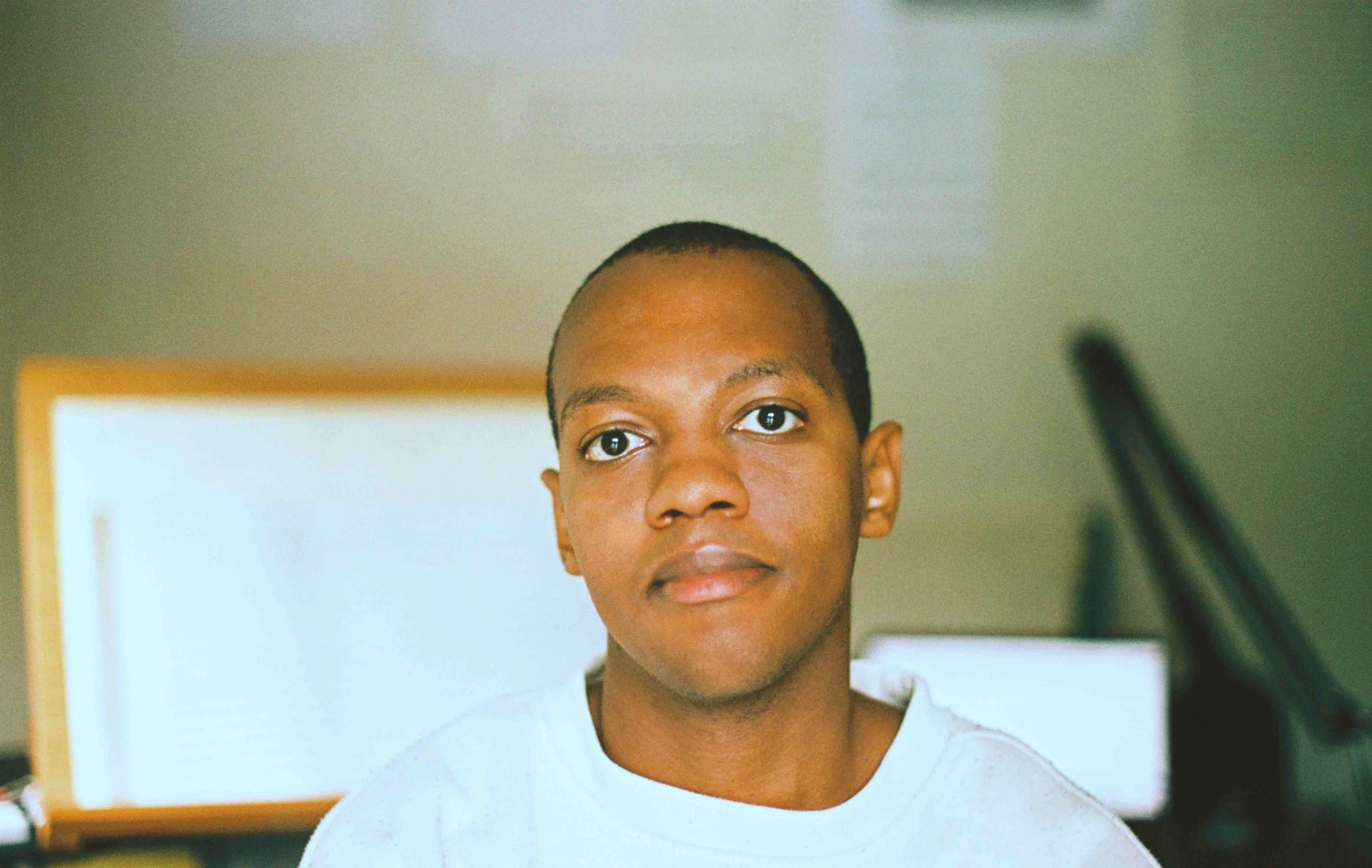
Njabulo Phungula (b. 1993) is a composer from Durban, South Africa. He writes music which explores intrapersonal communication and identity, and metatextuality. His work reveals a fascination with elastic textures and the decontextualising of sound objects by engaging with narrative and form as means of documenting the labyrinthine nature of the creative process.
His works have been performed in South Africa, the USA, and across Europe, by Klangforum Wien, ensemble recherche, International Contemporary Ensemble, Kompass Ensemble, Yarn/Wire, JACK Quartet, Odeion String Quartet, PULSE, Mizar Trio, Marco Blaauw,Christine Chapman, Bronwen Clacherty, Stephanie Lamprea, Midori Samson, and Naomi Sullivan, among others. For Darkroom Contemporary Dance Theatre, he co-composed the music for Louise Coetzer’s works autoplay and e.ID:.
He has received commissions and grants from NewMusicSA, the New Music Forum at Stellenbosch, JACK Studio, impuls, and the Goethe-Institut, and his works have been programmed at festivals such as ‘Always, Already There’ (Berlin), Cortona Sessions (Ede), Deep Time (Edinburgh), impuls (Graz), ISCM World New Music Days (ZA), National Arts Festival (Makhanda), TIME:SPANS (NYC), Unyazi Music Festival: Infrastructures (Cape Town), and Wien Modern. He has participated in the SASRIM Composers’ Meeting, the Virtual Brass Academy for Composers (Musikfabrik), and the Yarn/Wire International Institute.
He was a JACK Studio Artist (2020-22), a Postcolonial Recherche fellow (2021-22), and is currently a LamnthLab participant (2025/26). His honours include the impuls Composers Competition (for 2025), the 2023 Henri Lazarof International Commission Prize, and the 2026 Busoni Composition Prize (Akademie der Kunste, Berlin).
Phungula is currently based in Outer West Durban, and holds a BA Hons degree from the University of KwaZulu-Natal where he studied composition under the supervision of Jürgen Bräuninger, and later with Clare Loveday.
~
The ‘j’ in Njabulo is pronounced like the ‘j’ in “jacket”
The “Ph” in Phungula is pronounced like the ‘p’ in “packet”